Global Shorebird Counts
A global invitation to observe, record, and appreciate shorebirds through coordinated bird monitoring. The Global Shorebird Counts connect people, migration, and conservation through shared observation rather than competition.

The Global Shorebird Counts is one of the central citizen science initiatives connected to World Shorebirds Day. Held annually between 1–7 September, the counts encourage people around the world to observe and document shorebirds while strengthening awareness of migration, monitoring, and habitat conservation.
Participation is open to everyone – from experienced birdwatchers and researchers to photographers, students, local communities, and people encountering shorebirds for the first time. Observations may come from internationally important wetlands, remote coastlines, estuaries, reservoirs, rice fields, inland mudflats, or small local wetlands.
Why Shorebirds Need Monitoring
Shorebirds are among the most threatened groups of birds globally. Many species depend on interconnected networks of wetlands and coastal habitats spread across entire continents and flyways. As these habitats change or disappear, shorebird populations can decline rapidly, often across enormous geographic areas.
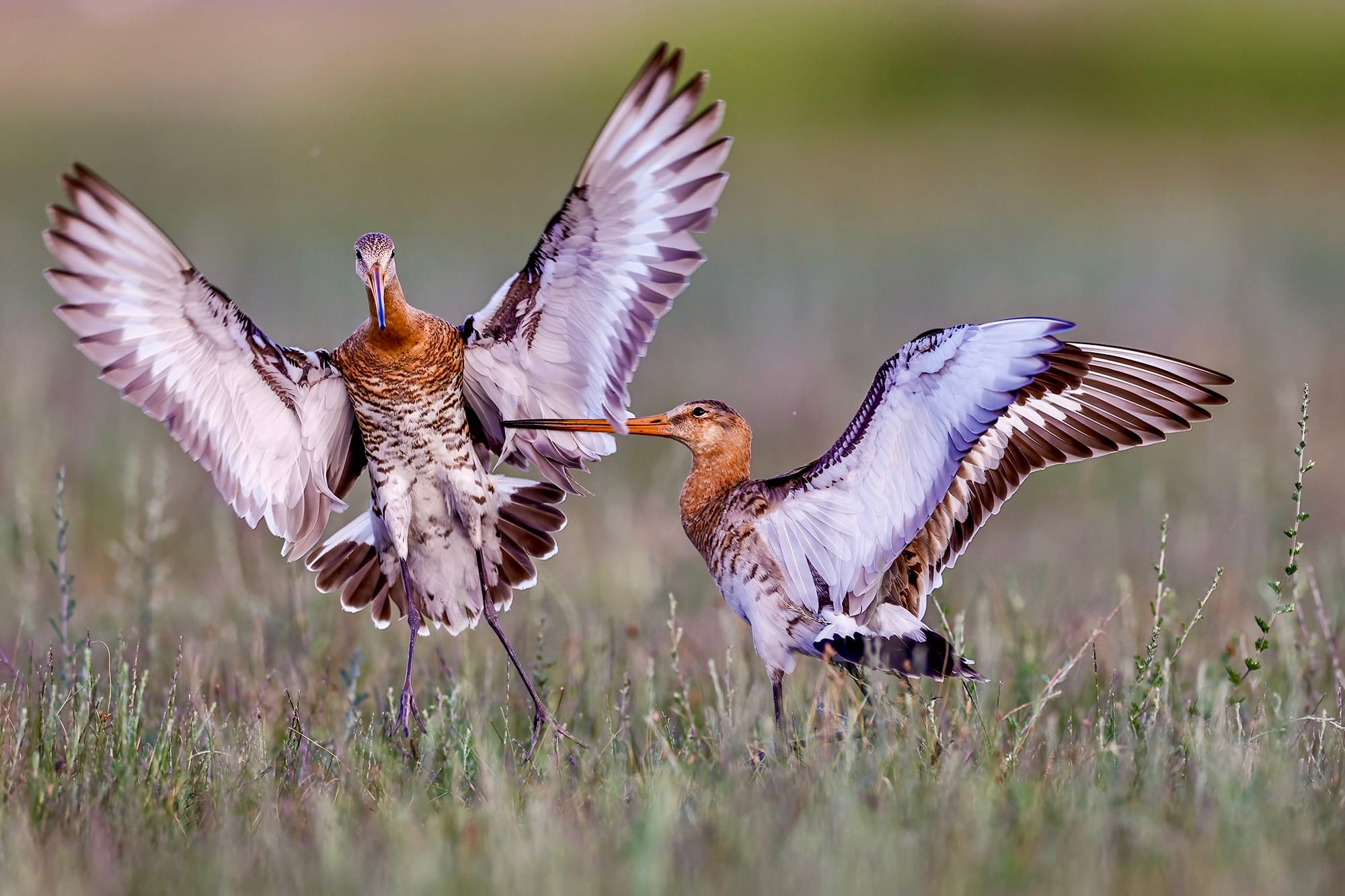
Long-term monitoring helps improve our understanding of migration timing, population trends, habitat use, and the conservation pressures affecting shorebirds worldwide. Repeated observations collected over many years can reveal patterns that would otherwise remain invisible.
At its core, the Global Shorebird Counts is built around a simple idea: local observations contribute to a much larger global picture. A single checklist from a small wetland may appear minor in isolation, but combined with thousands of others across the world, these observations become part of a broader understanding of shorebird populations and migration systems.
The Global Shorebird Counts is not intended to function as a formal scientific census. Instead, the initiative aims to encourage participation in bird monitoring and strengthen awareness of why repeated observation matters. Nearly all modern bird conservation begins with understanding how populations change over time – knowledge made possible through long-term monitoring and the cumulative efforts of people observing birds in the field. At the same time, observations submitted through platforms such as eBird already contribute to broader research, conservation, and policy-related work used by organisations and researchers around the world.
Citizen Science and Participation
The Global Shorebird Counts was created to encourage participation in shorebird monitoring at both local and international scales. In many regions, the counts also provide an introduction to citizen science and help people become more familiar with local birdlife, migration patterns, and wetland ecosystems.
The initiative strongly encourages the use of eBird for submitting observations and checklists. As one of the world’s largest bird monitoring databases, eBird plays an increasingly important role in supporting ornithological research, conservation planning, and our understanding of bird distribution and migration worldwide.
Whether observations come from major internationally recognised wetlands or from small local habitats visited regularly throughout the year, every contribution helps strengthen the broader picture.
A Global Collaborative Effort
The Global Shorebird Counts is not limited to a single region, country, or flyway. It is a collaborative international effort shaped by participation, observation, and long-term engagement with shorebirds and the habitats they depend upon across the world.
Whether you are an experienced birder or simply curious about shorebirds, every observation can contribute to a broader understanding of shorebird populations and the habitats they depend upon. Participate locally and become part of a growing international effort connected through observation, citizen science, and conservation awareness.
Support the future of World Shorebirds Day. Your contribution helps maintain and develop the platform.