World Shorebirds Day
World Shorebirds Day is a global initiative dedicated to shorebirds, migration, citizen science, and the protection of the habitats these birds depend upon across the planet.

World Shorebirds Day is a global initiative dedicated to shorebirds, migration, and the habitats these birds depend upon across the planet. Established in 2014, the project encourages people to observe, appreciate, and help protect shorebirds through participation, education, citizen science, and conservation engagement.
From Arctic tundra and tropical wetlands to estuaries, beaches, inland mudflats, saltmarshes, and upland breeding grounds, shorebirds move across an extraordinary range of landscapes. Some species travel between hemispheres each year, while others remain tied to the same coastlines and wetlands throughout their lives. Together, they connect ecosystems, seasons, and continents in ways few other bird groups can.
Shorebirds also reflect the condition of the environments around them. Healthy wetlands, tidal flats, beaches, and coastal systems support both birds and people, yet many of these habitats are under increasing pressure from development, disturbance, pollution, wetland degradation, hunting, and climate change. In many parts of the world, shorebird declines are becoming increasingly visible.
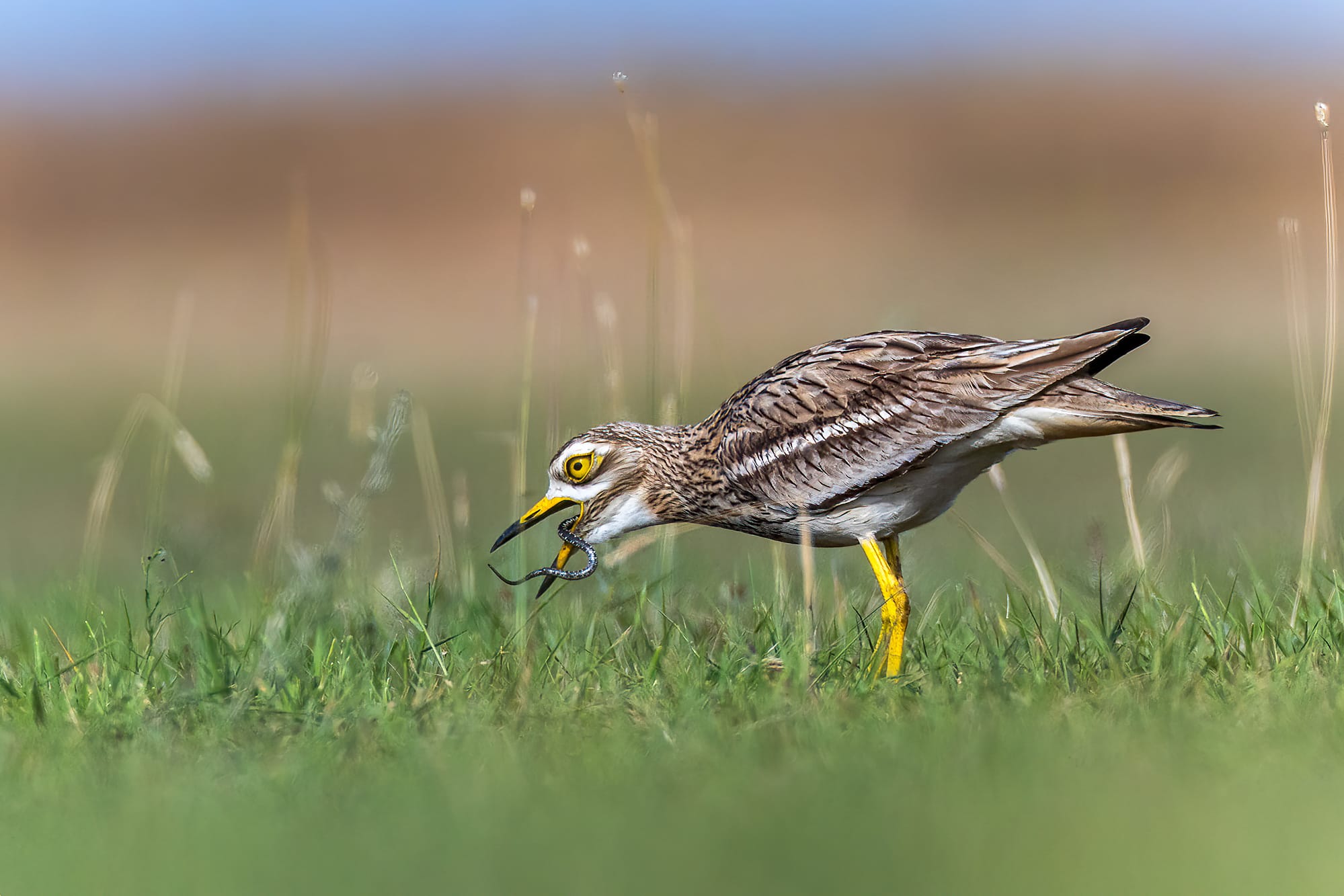
World Shorebirds Day was created to encourage a stronger connection between people and these birds — not only through conservation, but through observation itself. Watching migrating shorebirds on a coastline, scanning a flooded field, or discovering a small group of waders on a local wetland can often become the beginning of a deeper awareness of migration, habitat loss, seasonality, and ecological change.
Participation can take many forms. Some people organise or join shorebird surveys and citizen science projects. Others contribute through photography, education, research, outreach, habitat protection, beach stewardship, field observations, or by sharing local knowledge and experiences connected to migration and coastal ecosystems.
The initiative also aims to strengthen communication between people and organisations working across different flyways and regions. Shorebird conservation is inherently international. Birds crossing continents depend on networks of habitats that extend far beyond national borders, making long-term cooperation and public engagement increasingly important.
Over time, World Shorebirds Day has gradually grown into more than a single annual event. It has become a wider community connected through migration, field observation, conservation, photography, research, and a shared appreciation for shorebirds and the places they inhabit.
Mission
World Shorebirds Day seeks to strengthen global awareness and appreciation of shorebirds through education, citizen science, participation, and long-term conservation engagement.
Objectives
• Promote international participation in shorebird observation and monitoring
• Support awareness of migratory flyways and habitat conservation
• Encourage engagement with coastal, wetland, and inland ecosystems
• Highlight the conservation challenges affecting shorebirds worldwide
• Support collaboration between birdwatchers, researchers, educators, photographers, and conservation organisations
• Build a long-term archive of observations, stories, research, photography, and outreach connected to shorebirds and migration
Support the future of World Shorebirds Day. Your contribution helps maintain and develop the platform.