Oystercatcher Day
From World Shorebirds Day to Curlew and Plover initiatives, conservation awareness days continue to create recurring moments of visibility for species too easily forgotten between migration seasons.

Some birds become part of a landscape so completely that it is difficult to imagine the coast without them. Oystercatchers belong to that category. Their calls carry across estuaries and tidal flats, their silhouettes stand against the tide line, and in many regions they are among the first shorebirds people truly notice and remember.
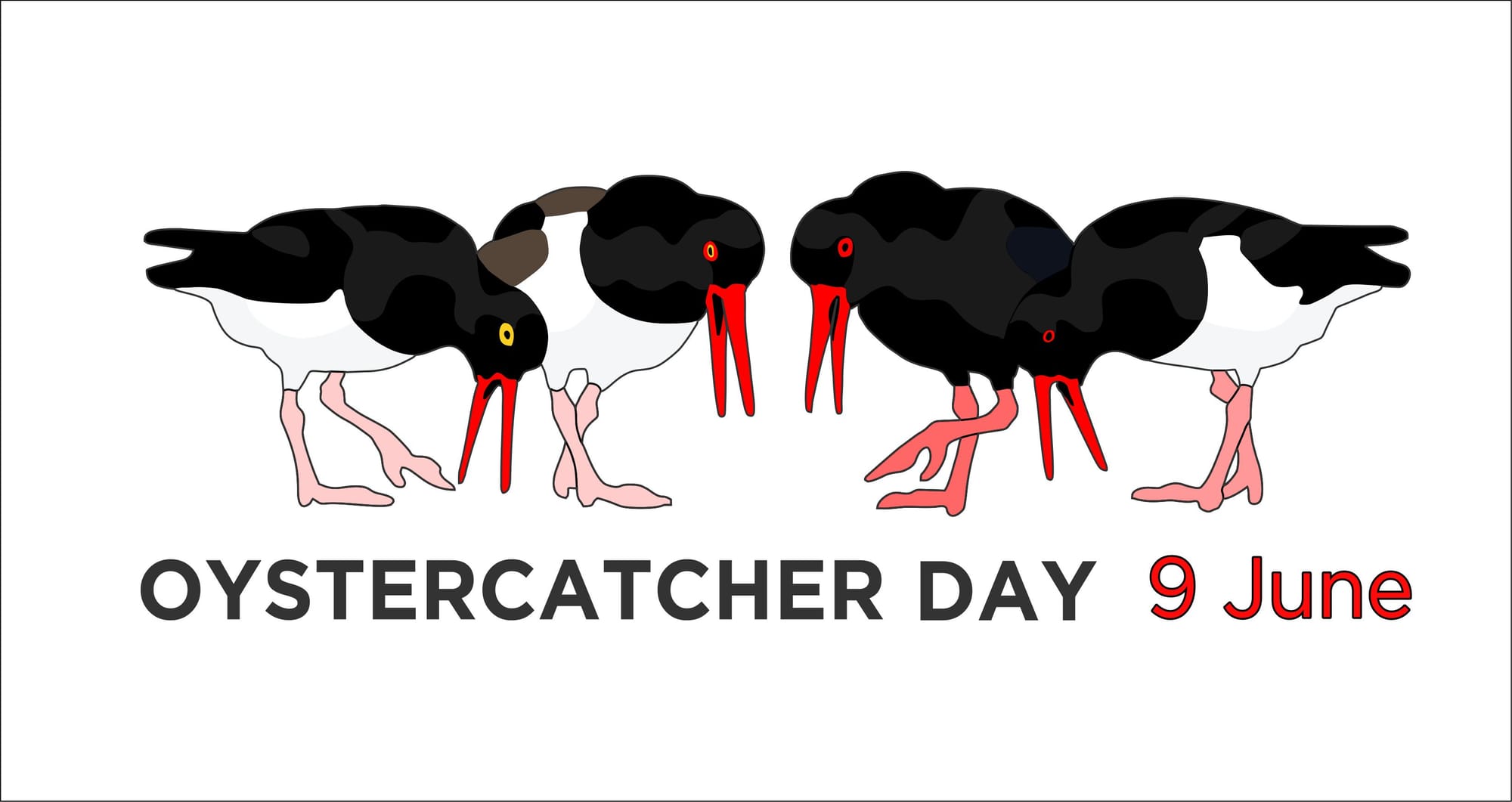
Oystercatcher Day was created from a long-standing admiration for this remarkable bird family and the environments they depend on. What began as a personal attachment developed into a broader recognition that oystercatchers can also help tell a much larger conservation story — one connected to coastlines, tidal systems, disturbance, habitat loss, and the fragile future of beach-nesting birds around the world.
Although centred around oystercatchers, this day also stands beside other species that share similar pressures. Across many coastlines, breeding birds now face increasing disturbance from recreation, coastal development, vehicle traffic, unleashed dogs, artificial lighting, erosion, and rising sea levels. For some species, the breeding season has become an increasingly narrow window between survival and repeated failure.

The purpose of Oystercatcher Day is therefore not only celebration, but attention. Attention to species that often live in full public view yet remain poorly understood outside the birding and conservation communities. Attention to the breeding grounds hidden among beaches, saltmarshes, shell banks, dunes, rooftops, and tidal islands. Attention to the idea that coexistence with coastal wildlife is still possible when awareness is matched with practical stewardship.
Participation can take many forms. Some people may spend the day observing oystercatchers along a shoreline. Others may document breeding activity, contribute records, photograph local birds responsibly, share educational material, or simply learn more about the species nesting around their own coastlines. In some regions, the day may also support local conservation projects focused on beach-nesting birds and coastal habitats.
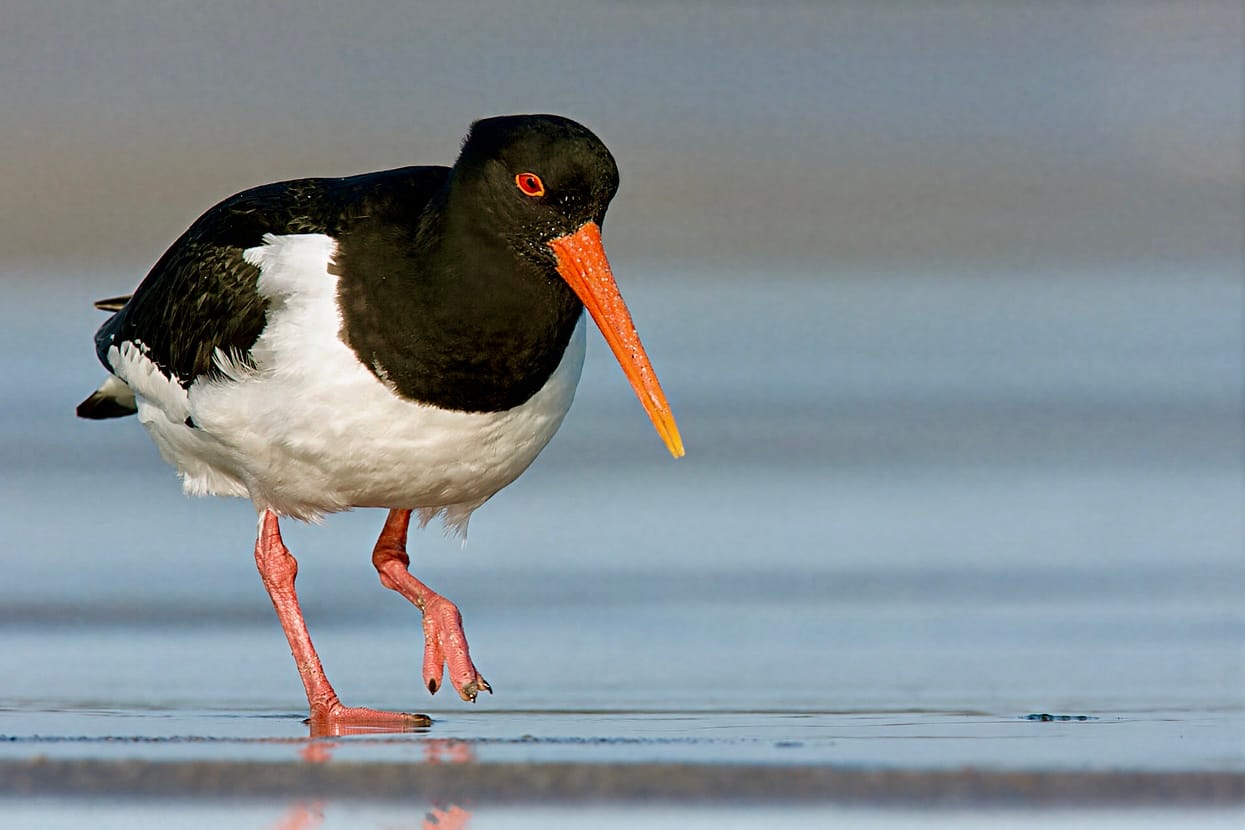
Oystercatchers themselves are remarkably diverse. From the rocky shores occupied by African Black Oystercatchers to the tidal flats of Eurasian Oystercatchers, the high-Andean landscapes associated with Magellanic Oystercatchers, or the threatened beaches of the American Oystercatcher, the family reflects an extraordinary relationship with water, tides, and exposed coastal ground. Their lives are shaped by movement, timing, weather, and increasingly by human presence.
This day exists because birds like these deserve more than occasional attention. They deserve continuity — not only in conservation work, but also in public recognition and cultural memory.
Oystercatcher Day will be observed annually on 9 June, when many Northern Hemisphere oystercatchers are nesting along coasts and tidal habitats, while populations in the Southern Hemisphere are beginning to move toward the breeding season.
Artwork by Szabolcs Kókay, digital finish by Tatiana Petrova.
Media & Press Resources
The official Oystercatcher Day media package includes downloadable logos, press materials, and approved imagery for publications, conservation organisations, educators, and community outreach.
Support the future of World Shorebirds Day. Your contribution helps maintain and develop the platform.


