Are You Ready for the Global Shorebird Counts 2026?
From 1–7 September, birdwatchers around the world will count shorebirds at their local sites, adding another year of observations to a growing record — and another year to a community built around them.


Support the future of World Shorebirds Day. Your contribution helps maintain and develop the platform.
Tomorrow, birdwatchers around the world will begin another week of counting shorebirds.
The Global Shorebird Counts were never intended to make extraordinary demands of participants. A single checklist does not need to answer a research question or document a spectacular gathering of birds. Its value lies in becoming part of something much larger: an ever-growing record of shorebird observations, strengthened when people return to the same places and contribute again year after year.
That continuity matters. Shorebird populations and the places they depend on are changing, and understanding those changes requires observations accumulated over time. Some sites will hold thousands of birds; others only a handful. At some, there may be none on the day of the count. They all belong in the record.
But there is another kind of continuity we want to build. Behind every checklist is a person who visited a local site and cared enough to count what was there. During the week, people in many countries will be doing exactly that, independently but as part of the same global effort. Over the years, we hope the counts build not only a larger body of observations, but a larger community of people who care about shorebirds and the places they use.
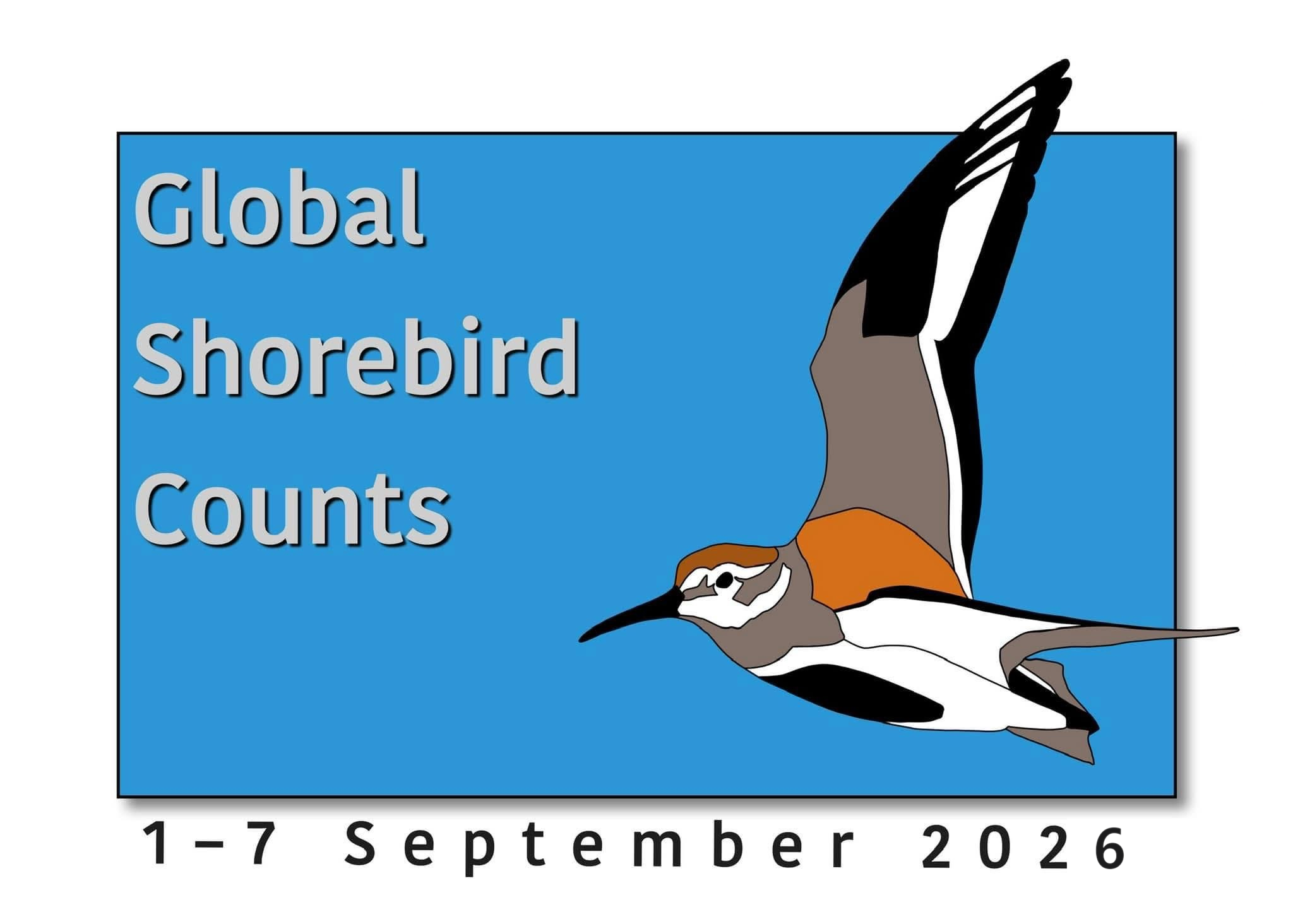
In that sense, there is something of the spirit of Global Big Day in the Global Shorebird Counts — except ours lasts a week and belongs entirely to shorebirds. Our own Big Shorebird Week.
Whether you are an experienced birder or just beginning to discover shorebirds, your counts are welcome. Visit a local site, record what you find and help us build a record that grows stronger year after year. By taking part, you also join a worldwide community of people who watch, count and care about shorebirds.
Sign up and tell us where you’ll be counting →
The Global Shorebird Counts 2026 run from 1–7 September. Wherever you are, visit a site, count the shorebirds you find and submit your observations to eBird. Please share your checklist with the WorldShorebirdsDay username.
You do not need to visit a major wetland or find large numbers of birds. Your regular local patch may be exactly the place worth counting again this year.
We hope you’ll join us.
Find out how to participate on the Global Shorebird Counts page.


Discussion