World Shorebirds Day 2026 — Inspiring News on the Horizons
World Shorebirds Day returns on 6 September, with reasons for encouragement from the past year and a reminder that the value of counting grows when we keep returning to the same places.


Support the future of World Shorebirds Day. Your contribution helps maintain and develop the platform.
Today, 6 September, is World Shorebirds Day.
At this time of year, millions of shorebirds are on the move. Some are already well into their migration, while others are gathering at stopover sites or reaching their non-breeding grounds. Their journeys depend on a chain of wetlands, estuaries, coastlines, riverbanks, grasslands and other habitats. Some are internationally recognised sites. Others are simply places that local birdwatchers know are worth checking.
World Shorebirds Day was created in 2014 partly because shorebirds connect these places, and the people watching them, across countries and continents. Twelve years later, this remains at the heart of what we do.
For many shorebird populations, the wider picture is still worrying. Habitat continues to disappear or deteriorate, and some of the declines documented along the world’s major flyways are severe. Yet there has also been good news during the year since the last World Shorebirds Day.
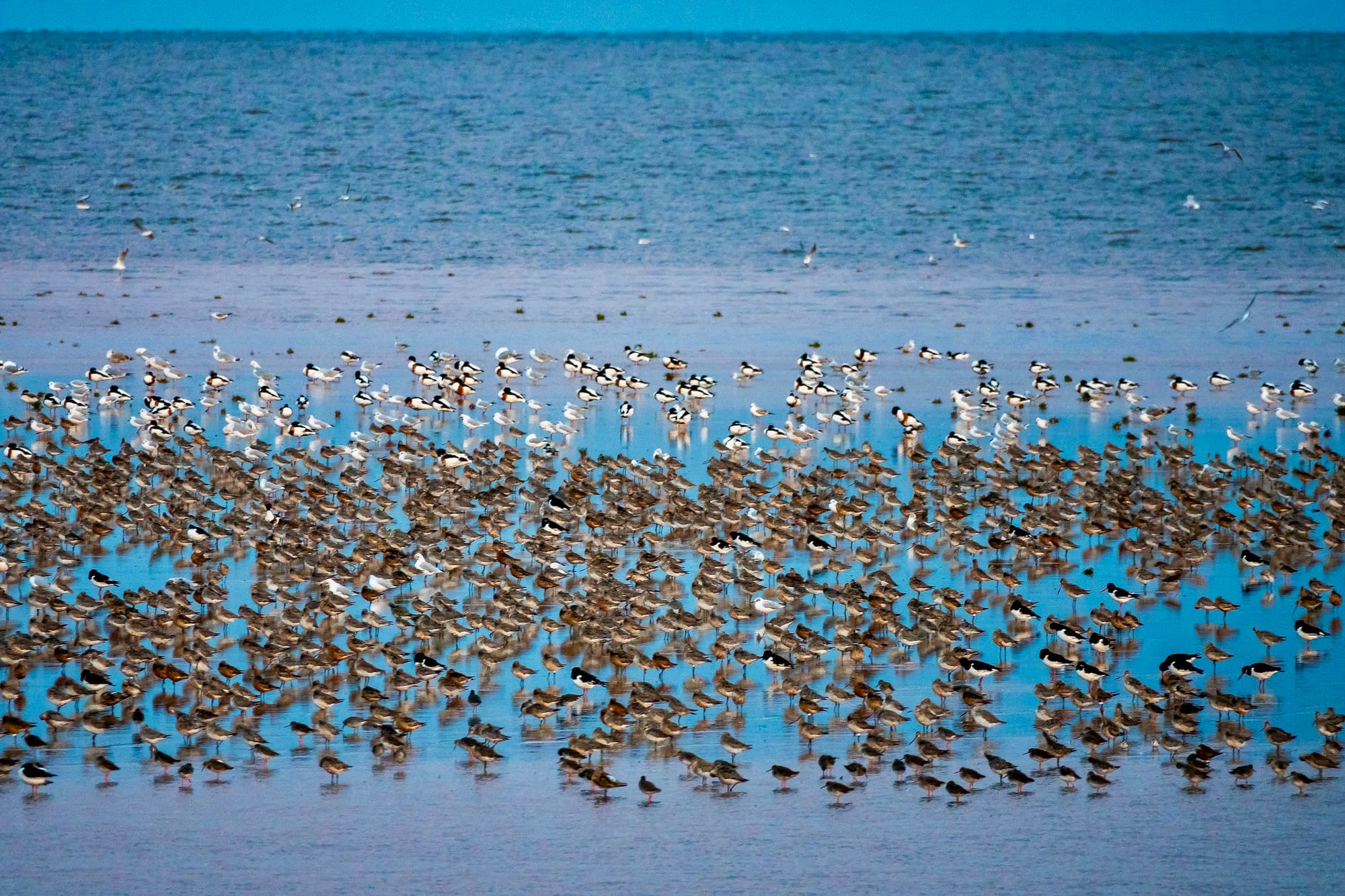
New sites have joined the Western Hemisphere Shorebird Reserve Network, including the first WHSRN site in El Salvador. In Australia, fifteen years of monitoring data have been brought together in a national directory of important migratory shorebird habitat, built substantially on counts made by volunteers. At individual wetlands, people have been restoring roosts, managing water and vegetation, protecting nests and continuing long-term monitoring.
Some projects are also producing measurable population results. Years of coordinated conservation for American Oystercatchers in the United States have contributed to a substantial increase in their numbers.
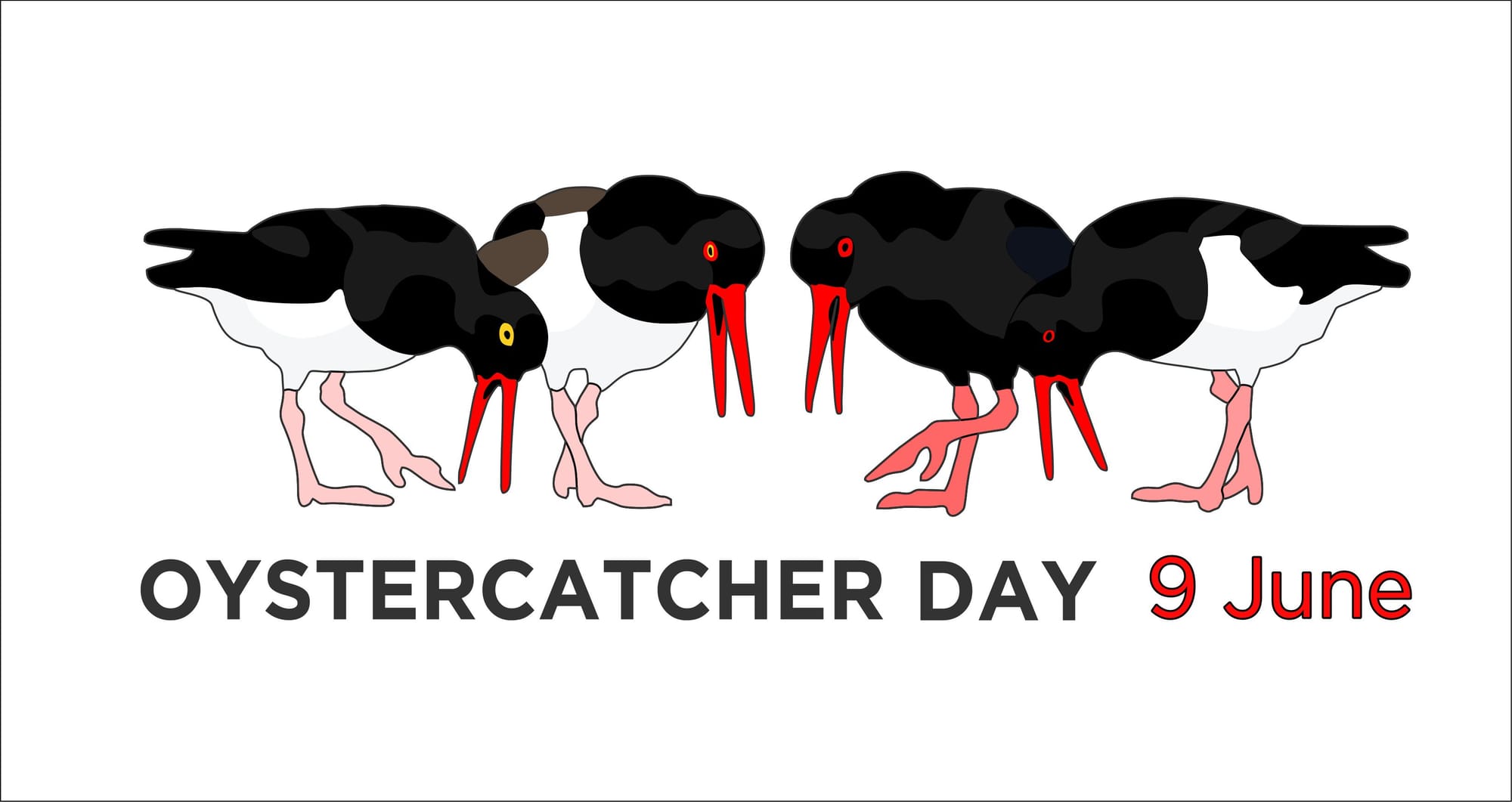
The year also brought a new date to the shorebird calendar. Oystercatcher Day was celebrated for the first time on 9 June 2026, drawing attention to the world’s oystercatchers and to beach-nesting birds more broadly, including the pressures they face during the breeding season. The annual event now gives these birds and their nesting habitats a dedicated day on the conservation calendar.
Elsewhere, major new investment is beginning to reach wetlands along migration routes, while the growing quantity of tracking data collected from individual birds is increasingly being used to inform management and protection of particular sites.
We started an annual World Shorebirds Day review last year to give developments like these more space. There is considerably more to report from 2025–26 than can sensibly be fitted into today’s post, so this year’s review will follow separately.
For now, there is still counting to do.
The Global Shorebird Counts are still under way
The 2026 Global Shorebird Counts run from 1–7 September, which leaves another day to participate.
You don’t need to find hundreds or thousands of shorebirds. You don’t need to travel to a Ramsar site or a famous estuary either. If shorebirds use your local reservoir, riverbank, beach, saltmarsh, sewage works, flooded field or muddy corner of a wetland, you can count there.
A small count is still a count.
What makes these observations increasingly useful is repetition. Visiting the same place year after year gradually builds a record of which species occur there, how many are present and when they appear. It also means that somebody is regularly looking at that site and is more likely to notice when something changes.
This has always been an important part of the Global Shorebird Counts. We are not asking participants to produce individual research projects. We are trying to accumulate observations from more places, over more years, while growing an international community of people interested in shorebirds and the habitats they use.
If you record your observations in eBird, please share your Global Shorebird Counts checklist with the username WorldShorebirdsDay. You can also register your participation through the World Shorebirds Day website.
You don’t need to be a shorebird expert to join. If you are still learning, start with the birds you can identify confidently. Today’s experienced counters also had a first shorebird count.
The people who keep going back
Large conservation programmes matter, but much of what we know about shorebirds still begins with people repeatedly visiting particular places.
Someone knows when the first migrants normally arrive. Someone remembers that a roost used to hold more birds. Someone notices that water levels are different this year, that vegetation is taking over a feeding area, or that a species which was formerly regular has become difficult to find.
Sometimes those observations remain entries in a notebook or an eBird account. Sometimes, accumulated over enough years and enough sites, they become part of datasets used to identify internationally important wetlands or influence their management.
World Shorebirds Day belongs to everyone involved in that process: people working professionally in research and conservation and the many thousands who contribute in their own time.
If you are taking part in the Global Shorebird Counts this weekend, thank you.
And if you have a local shorebird site that you already know well, keep visiting it after this week is over. That continuing record may ultimately be more useful than any single count you make during World Shorebirds Day.


Discussion